Viewing:
University Archives |
Filter:





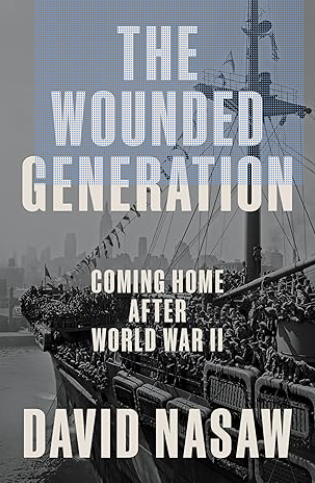
In The Wounded Generation, Nasaw tells the indelible stories of the veterans and their loved ones as they confronted the aftershocks of World War II. Veterans suffering from recurring nightmares, uncontrollable rages, and social isolation were treated by doctors who had little understanding of PTSD. They were told that they were suffering from nothing more than battle fatigue and that time would cure it. When their symptoms persisted, they were given electro-shock treatments and lobotomies, while the true cause of their distress would remain undiagnosed for decades to come. Women who had begun working outside the home were pressured to revert to their prewar status as housewives dependent on their husbands. Returning veterans and their families were forced to double up with their parents or squeeze into overcrowded, substandard shelters as the country wrestled with a housing crisis. Divorce rates doubled. Alcoholism was rampant. Racial tensions heightened as white southerners resorted to violence to sustain the racial status quo. To ease the veterans' readjustment to civilian life, Congress passed the GI Bill, but Nasaw reveals how black veterans were disproportionately denied their benefits, and how the consequences of this discrimination would endure long after the war was won. In this richly textured examination, Nasaw presents a complicated portrait of those who brought the war home with them, among whom were the period's most influential political and cultural leaders, including John F. Kennedy, Robert Dole, and Henry Kissinger; J. D. Salinger and Kurt Vonnegut; Harry Belafonte and Jimmy Stewart. Drawing from veterans' memoirs, oral histories, and government documents, Nasaw illuminates a hidden chapter of American history--one of trauma, resilience, and a country in transition"
Permalink Last updated 05/15/2026 by S. Wilson