Viewing:
Book of the week |
Filter:





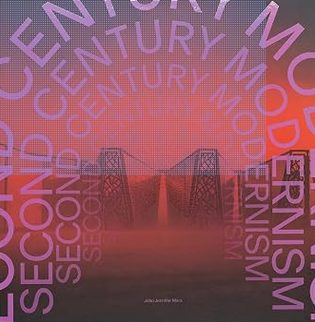
Second-century Modernism
The first century of modernism produced both significant achievements and notable shortcomings. Although modernist architects promised progressive, humane environments, those promises were only partially fulfilled, and modernism often had negative effects on natural and built environments.
The author proposes a new framework called Second-Century Modernism, which shifts architecture away from a primary focus on abstraction, rationality, and ideas toward one centered on emotional richness, meaning, and community. This approach balances logical design with intuition and embraces a “Less + More” philosophy that expands the range of cultural values considered in the design process. Ultimately, it seeks to create more inclusive, emotionally meaningful environments by acknowledging and embracing the complexities and contradictions of human life.
Permalink Last updated 07/29/2026 by S. Wilson